Who was Jung?
Carl Gustav Jung was born in 1875 in Kesswil, Switzerland, the son of a pastor. He studied medicine in Basel and, from 1900, worked at the Burghölzli, the psychiatric university hospital in Zurich, under Eugen Bleuler.
There he conducted association experiments: he would read out words and measure how long patients took to reply. He believed hesitations pointed to sensitive, unconscious nodes, which he called complexes. That word originates with Jung.
The friendship with Freud
Jung read Freud’s work and sent him his studies. In March 1907, they met in Vienna and reportedly talked for thirteen hours without interruption. Freud saw Jung as the successor who could take psychoanalysis beyond its Viennese, predominantly Jewish circle. He referred to him as his ‘crown prince’.
In 1909, they travelled together to the United States for lectures at Clark University. On board, they analysed each other’s dreams. According to Jung, at a certain point Freud refused to provide personal details because he ‘could not risk his authority’. In 1910, Jung became the first president of the International Psychoanalytical Association.
The break
Tensions grew. Jung did not accept that the libido was primarily sexual, and he was far more interested in religion, myths, and the occult. His book Wandlungen und Symbole der Libido (1912) brought the differences out into the open.
In early 1913, Freud suggested ending their personal relationship. In 1914, Jung stepped down as president and left the movement. Freud subsequently wrote a polemical history of psychoanalysis in which he distanced himself from Jung and Adler.
Confrontation with the unconscious
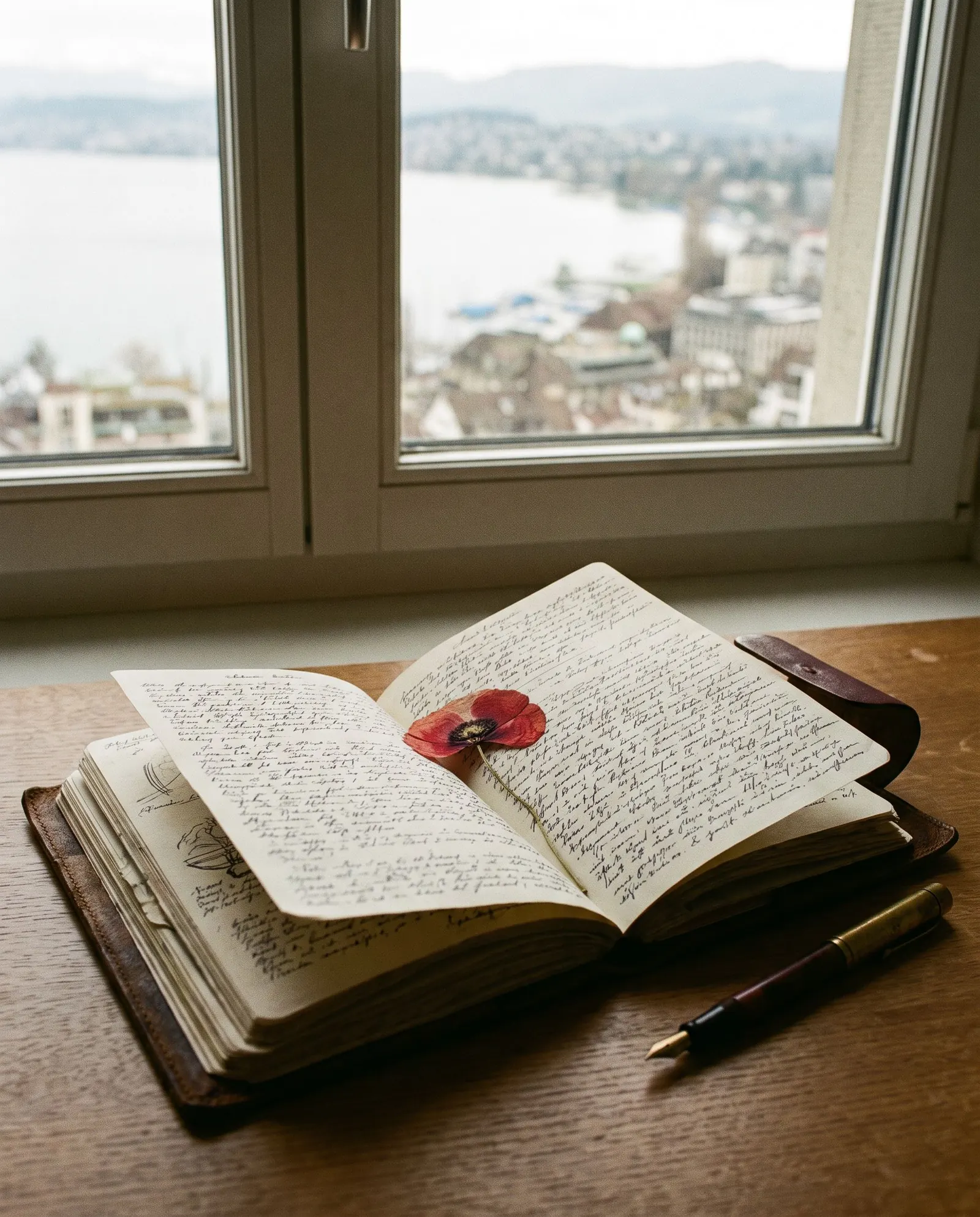
Following the break, Jung endured a period of deep inner crisis. He recorded his visions, dreams, and fantasies, elaborating on them in a large, richly illustrated manuscript, the Red Book. It was not published until 2009.
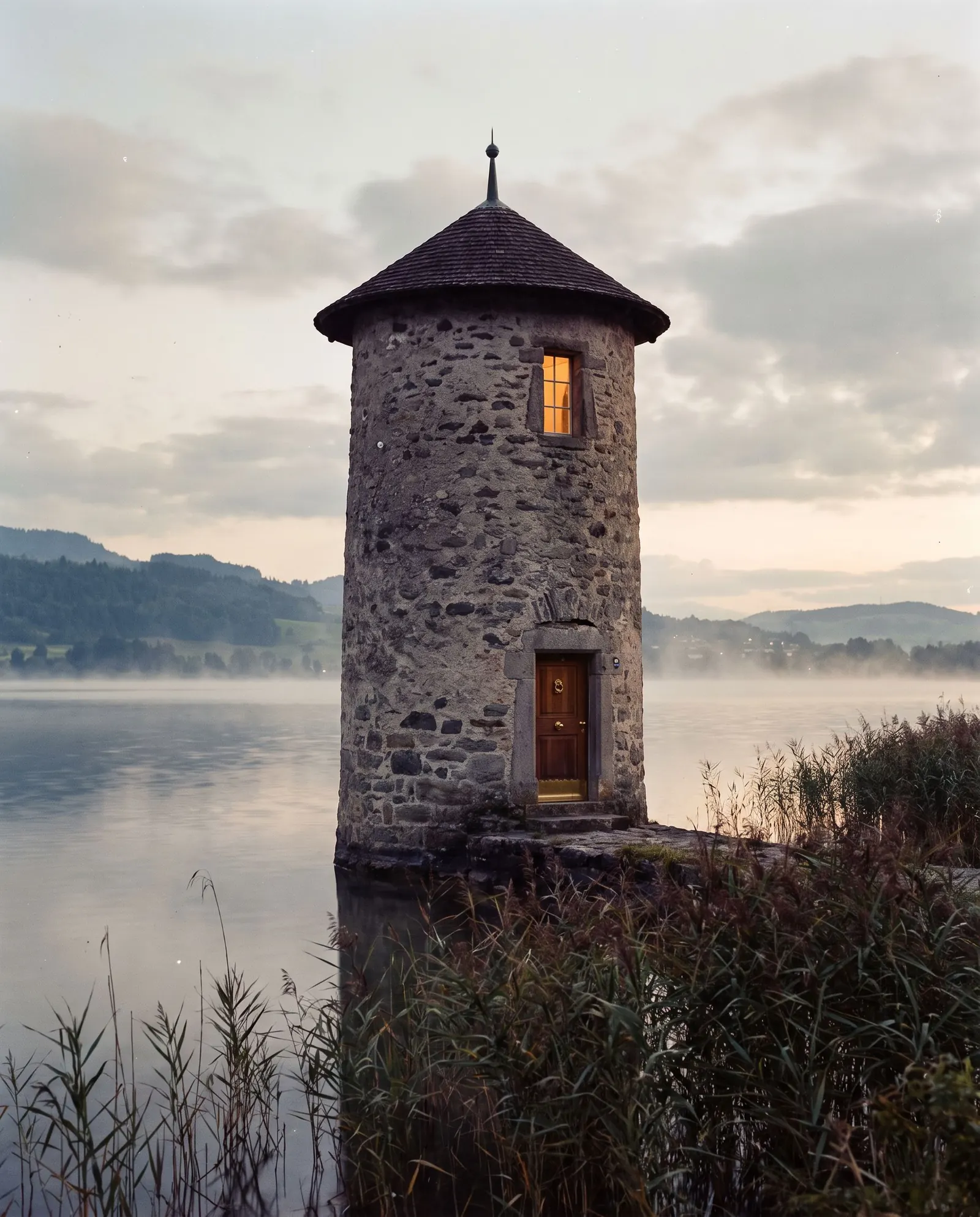
From 1923 onwards, he built a simple stone tower on the shore of Lake Zurich in Bollingen, his place of retreat.
Key ideas
Collective unconscious A layer of the psyche shared by all human beings, containing universal patterns. Archetypes Primordial images such as the mother, the hero, the wise old man, and the trickster, which recur in myths, dreams, and stories. Persona and shadow The mask we present, and the parts of ourselves we prefer not to see. Anima and animus The ‘feminine’ in the man and the ‘masculine’ in the woman, as Jung formulated it in his time. Individuation The lifelong process of becoming whole, particularly in the second half of life. Introversion and extraversion Two fundamental attitudes, described in Psychological Types (1921). Synchronicity Meaningful coincidences without a causal link.
What we know today
Jung exerted a tremendous influence beyond academic psychology: on art therapy, spirituality, literature, film (Joseph Campbell’s ‘hero’s journey’), and popular personality tests. However, his ideas on archetypes and a collective unconscious are hardly testable scientifically. Introversion and extraversion survived in modified forms in modern personality psychology; tests like the MBTI, which categorise people into fixed types, score poorly on reliability. Furthermore, Jung’s stance in the 1930s, when he presided over an international psychotherapy association under Nazi influence and made statements about a ‘Jewish psychology’, remains controversial.
Freud and Jung side by side
Freud and Jung side by side
| Theme | Freud | Jung |
|---|---|---|
| The unconscious | Personal, filled with repressed content | Personal and collective, with universal archetypes |
| Libido | Primarily sexual energy | General psychic life energy |
| Dreams | Disguised wish fulfilment | Compensatory message; symbols express something |
| Religion | An illusion, a childish wish for protection | An essential psychic function |
| Goal of therapy | Insight into conflicts from the past | Individuation: becoming whole, even in later life |